

Slow Cooker Depression Era Ketchup Spaghetti is a nostalgic dish that combines simplicity and comfort in a delightful way. Originating during the Great Depression, this meal is a testament to the resourcefulness of families who had to make do with limited ingredients while still seeking nourishment. In those times, ketchup became a popular sauce for pasta, adding flavor and richness to otherwise plain meals. This recipe not only brings back memories of simpler times but also serves as an economical solution for today’s budget-conscious cooks. Using a slow cooker makes it easy to prepare, allowing the flavors to meld beautifully while you go about your day. The beauty of this dish lies in its adaptability—it’s perfect for both casual family dinners and potluck gatherings. Plus, it requires minimal effort, making it ideal for busy weeknights when you crave comfort food without the fuss.
Ingredients
- For the Sauce:
- 1 cup homemade ketchup (see homemade ketchup recipes for a simple guide). Homemade ketchup offers a fresher taste and allows you to control the sweetness and acidity to suit your personal preferences.
- 1 tablespoon Worcestershire sauce, which adds depth and umami flavor to the sauce.
- 1 tablespoon apple cider vinegar for a tangy kick that balances the sweetness of the ketchup.
- 1 teaspoon garlic powder; fresh garlic can also be used for a stronger flavor, if desired.
- 1 teaspoon onion powder, providing a mild sweetness and savory note.
- 1 teaspoon dried Italian herbs (or your choice of herbs) like oregano or basil, enhancing the dish’s flavor profile.
- Salt and pepper to taste, crucial for seasoning the sauce to your liking.
- For the Pasta:
- 12 ounces spaghetti or your favorite pasta—feel free to experiment with whole wheat or gluten-free pasta varieties for different textures.
- 4 cups water or vegetable broth; broth adds additional flavor, while water keeps it light.
- 1 tablespoon olive oil (optional, for added flavor), which can help prevent the pasta from sticking.
- Grated Parmesan cheese (for serving, optional) adds a creamy, salty finish to each serving.
- Fresh parsley, chopped (for garnish, optional), providing a pop of color and freshness to the dish.
Steps / Instructions
- In a large mixing bowl, combine the homemade ketchup, Worcestershire sauce, apple cider vinegar, garlic powder, onion powder, dried Italian herbs, and salt and pepper. Mix well until fully blended, ensuring all ingredients are integrated for a harmonious flavor.
- Pour the ketchup mixture into the slow cooker, spreading it evenly across the bottom to create a flavorful base for the pasta.
- Add the uncooked spaghetti to the slow cooker, ensuring it is submerged in the sauce as much as possible. This will help the spaghetti absorb the sauce’s flavors during cooking.
- Pour in the water or vegetable broth over the spaghetti, making sure the pasta is covered completely to prevent dryness. If using, drizzle the olive oil on top to enhance the sauce’s richness.
- Cover the slow cooker and set it to cook on low for 4-6 hours, or on high for 2-3 hours. Stir occasionally, if possible, to ensure even cooking and prevent the pasta from clumping together.
- Check for doneness; the spaghetti should be tender and the sauce thickened, indicating it’s ready to serve. If the sauce seems too thick, you can add an extra splash of water or broth to adjust the consistency to your liking.
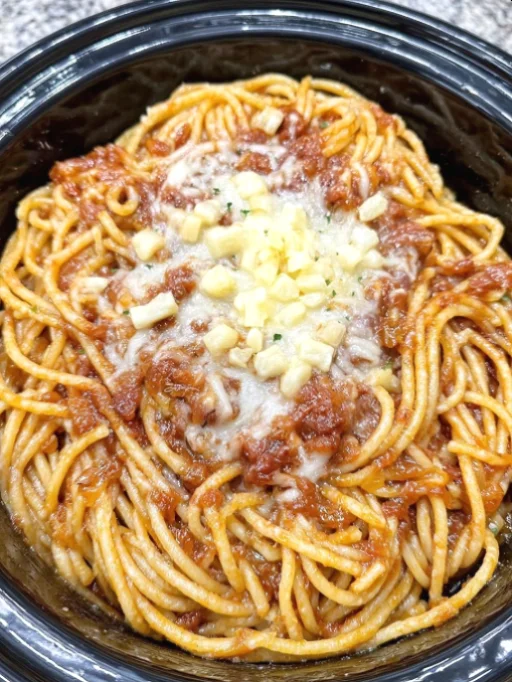
- Once done, taste and adjust seasoning as necessary, adding more salt, pepper, or herbs for flavor. Serve hot, garnished with grated Parmesan cheese and fresh parsley, if desired, to elevate the dish visually and tastefully.
Tips & Tricks
To ensure your Slow Cooker Depression Era Ketchup Spaghetti turns out perfectly:
- Storage Tips: Leftovers can be stored in an airtight container in the refrigerator for up to 3 days. Reheat in the microwave or on the stove, adding a splash of water if necessary to loosen the sauce and maintain moisture.
- Make-Ahead Options: Prepare the sauce a day in advance and store it in the refrigerator. This allows the flavors to deepen, making your meal even tastier when cooked the next day.
- Common Mistakes to Avoid: Ensure the pasta is fully submerged in the sauce and liquid to prevent it from becoming dry. Stirring occasionally will also help distribute the sauce evenly and avoid any clumping.
- Pro Techniques: If you want to add protein, consider mixing in cooked ground beef or turkey during the last hour of cooking for a hearty twist on this comforting dish. Alternatively, for a vegetarian version, add diced vegetables like bell peppers or zucchini early in the cooking process.
Conclusion
The Slow Cooker Depression Era Ketchup Spaghetti is more than just a meal; it’s a connection to the past and a delicious way to enjoy comfort food classics. Its budget-friendly ingredients and easy preparation make it a fantastic option for busy weeknights or nostalgic family dinners. Try this recipe and embrace the flavors of yesteryear while creating new memories with your loved ones. Check out our related guide for more tips.

Slow Cooker Depression Era Ketchup Spaghetti
Course: Dinner Cuisine: American Difficulty: Easy
🍽️Servings4-6
⏱️Prep Time15 min
🍳Cook Time6 hr
🔥Calories—Slow Cooker Depression Era Ketchup Spaghetti is a nostalgic dish that combines simplicity and comfort in a delightful way. Originating during the Great Depression, this meal is a testament to the resourcefulness of families who had to make do with limited ingredients while still seeking nourishment. In those times, ketchup became a popular sauce for pasta, adding flavor and richness to otherwise plain meals. This recipe not only brings back memories of simpler times but also serves as an economical solution for today’s budget-conscious cooks. Using a slow cooker makes it easy to prepare, allowing the flavors to meld beautifully while you go about your day. The beauty of this dish lies in its adaptability—it's perfect for both casual family dinners and potluck gatherings. Plus, it requires minimal effort, making it ideal for busy weeknights when you crave comfort food without the fuss.
Cook Mode Keep the screen of your device onIngredients
-
1 cup homemade ketchup
-
1 tablespoon Worcestershire sauce
-
1 tablespoon apple cider vinegar
-
1 teaspoon garlic powder
-
1 teaspoon onion powder
-
1 teaspoon dried Italian herbs
-
Salt and pepper to taste
-
12 ounces spaghetti or your favorite pasta
-
4 cups water or vegetable broth
-
1 tablespoon olive oil (optional)
-
Grated Parmesan cheese (for serving, optional)
-
Fresh parsley, chopped (for garnish, optional)
Directions
1.In a large mixing bowl, combine the homemade ketchup, Worcestershire sauce, apple cider vinegar, garlic powder, onion powder, dried Italian herbs, and salt and pepper. Mix well until fully blended.
2.Pour the ketchup mixture into the slow cooker, spreading it evenly across the bottom.
3.Add the uncooked spaghetti to the slow cooker, ensuring it is submerged in the sauce as much as possible.
4.Pour in the water or vegetable broth over the spaghetti, making sure the pasta is covered completely.
5.Cover the slow cooker and set it to cook on low for 4-6 hours, or on high for 2-3 hours. Stir occasionally.
6.Check for doneness; the spaghetti should be tender and the sauce thickened.
7.Once done, taste and adjust seasoning as necessary. Serve hot, garnished with grated Parmesan cheese and fresh parsley.
Recipe Reviews
- ★★★★★
Excellent recipe!
Leave a Reply
Your email address will not be published. Required fields are marked *
Slow Cooker Depression Era Ketchup Spaghetti
Slow Cooker Depression Era Ketchup Spaghetti is a nostalgic dish that combines simplicity and comfort in a delightful way. Originating during the Great Depression, this meal is a testament to the resourcefulness of families who had to make do with limited ingredients while still seeking nourishment. In those times, ketchup became a popular sauce for pasta, adding flavor and richness to otherwise plain meals. This recipe not only brings back memories of simpler times but also serves as an economical solution for today’s budget-conscious cooks. Using a slow cooker makes it easy to prepare, allowing the flavors to meld beautifully while you go about your day. The beauty of this dish lies in its adaptability—it's perfect for both casual family dinners and potluck gatherings. Plus, it requires minimal effort, making it ideal for busy weeknights when you crave comfort food without the fuss.
Ingredients
- 1 cup homemade ketchup
- 1 tablespoon Worcestershire sauce
- 1 tablespoon apple cider vinegar
- 1 teaspoon garlic powder
- 1 teaspoon onion powder
- 1 teaspoon dried Italian herbs
- Salt and pepper to taste
- 12 ounces spaghetti or your favorite pasta
- 4 cups water or vegetable broth
- 1 tablespoon olive oil (optional)
- Grated Parmesan cheese (for serving, optional)
- Fresh parsley, chopped (for garnish, optional)
Directions
In a large mixing bowl, combine the homemade ketchup, Worcestershire sauce, apple cider vinegar, garlic powder, onion powder, dried Italian herbs, and salt and pepper. Mix well until fully blended.
Pour the ketchup mixture into the slow cooker, spreading it evenly across the bottom.
Add the uncooked spaghetti to the slow cooker, ensuring it is submerged in the sauce as much as possible.
Pour in the water or vegetable broth over the spaghetti, making sure the pasta is covered completely.
Cover the slow cooker and set it to cook on low for 4-6 hours, or on high for 2-3 hours. Stir occasionally.
Check for doneness; the spaghetti should be tender and the sauce thickened.
Once done, taste and adjust seasoning as necessary. Serve hot, garnished with grated Parmesan cheese and fresh parsley.
Recipe Reviews
- ★★★★★
Excellent recipe!
Leave a Reply
Your email address will not be published. Required fields are marked *





Excellent recipe!